Tag Archive: World War Two

Wentworth Woodhouse: Mea Gloria Fides

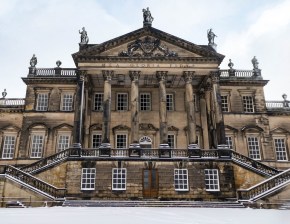
Wentworth Woodhouse has undergone much expansion for decades, in terms of its architecture, owners, and history. In this article, Finlay Ratcliffe seeks to explore the history of the site, tracing it chronologically, using its fifteen owners as key historical checkpoints. By also foregrounding its rigid resistance to modern demolition attempts, as well as its current preservation plans, the reasons for why Wentworth Woodhouse is considered a great survivor are illuminated.
AUTHOR FINLAY RATCLIFFE

Josephine Baker: Fame, France and Fighting for a Cause

To shine a light on under-appreciated Black histories, Finlay Ratcliffe focuses on the life of Josephine Baker. Outlining her various roles as an entertainer, Second World War spy and civil rights advocate, as well as the commemorations that occurred after her untimely burial, this article recognises her significance both in life and death.
AUTHOR FINLAY RATCLIFFE

18th October, 1943 – Lancaster W4240, code letter ‘A’ for Able

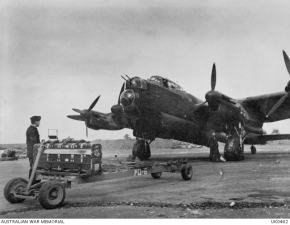
To commemorate the Remembrance Day on the last 11th November (also known as Poppy Day), Joe Langham built an special and very personal account around a casualty of war happened during the WWII in the fight against Germany, the fate of the Lancaster W4240 and its crew.
AUTHOR: JOE LANGHAM

Chocolate and Feminism: Exploring the Changing Role of Women in Rowntree’s Chocolate and Cocoa Advertisements, 1930-1960

Our latest article considers the changing status of women in Rowntree’s chocolate and cocoa advertisements between 1930 and 1960.
AUTHOR: ELEANOR OLIVER

Hull: a History

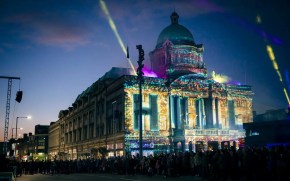
Kingston-Upon-Hull’s history has been very varied, from establishing the largest travelling fair in Europe to it being one of the worst bombed British cities in the Second World War. This article considers some of Hull’s history, and how this history ties in with its future.
AUTHOR: VICTORIA BETTNEY

Did World War Two cause the end of the British Empire?

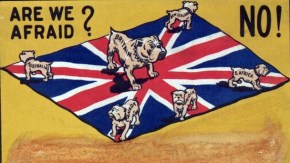
Analysing the causes for the decolonisation of the British Empire, this article finds that World War Two was a catalyst amongst a number of other coincidental factors.
AUTHOR: CLAIRE SWEETLAND