Tag Archive: britain

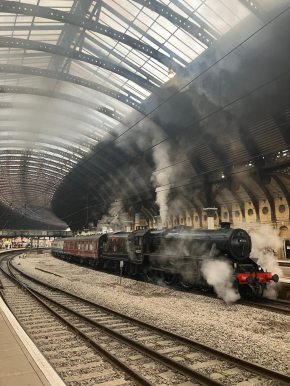
“Make all the Railways come to York”- a brief history of the railway industry in York

Arguably, the most significant aspect of York’s transportation heritage is its importance as a railway nucleus, a position it has maintained from the mid-19th century to the present day. This illuminating article provides a brief overview of how all the railways came to York, and the effects this had on the lives of the city’s residents.

AUTHOR: OSCAR HILDER
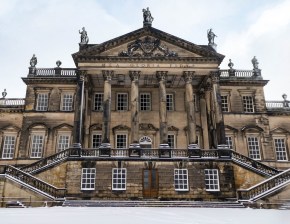
Wentworth Woodhouse: Mea Gloria Fides

Wentworth Woodhouse has undergone much expansion for decades, in terms of its architecture, owners, and history. In this article, Finlay Ratcliffe seeks to explore the history of the site, tracing it chronologically, using its fifteen owners as key historical checkpoints. By also foregrounding its rigid resistance to modern demolition attempts, as well as its current preservation plans, the reasons for why Wentworth Woodhouse is considered a great survivor are illuminated.
AUTHOR FINLAY RATCLIFFE

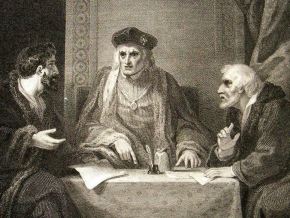
The Rise and Fall of Edmund Dudley: the “hawk” of Henry VII?

Should we take the negative reputation of infamous Henrician minister Edmund Dudley at face value? This article outlines his life and career in order to explore the realities of his representation.
AUTHOR: LAURA FLANNIGAN

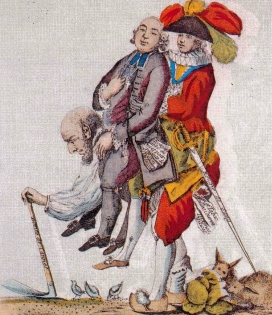
The Fall of the Ancien Régime

The role of literacy, the rising middle class, and the decline of the Church were all factors in the Ancien Régime’s steady demise, this article shows.
AUTHOR: LAUREN MILLER

Did World War Two cause the end of the British Empire?

Analysing the causes for the decolonisation of the British Empire, this article finds that World War Two was a catalyst amongst a number of other coincidental factors.
AUTHOR: CLAIRE SWEETLAND

‘An heir and a spare’: a brief history of the royal succession in British history

The problem of succession to the British throne has consistently reared its head throughout history. This article explores different situations where trouble ensued regarding claims to the throne – with some more legitimate than others.
AUTHOR: LAURA FLANNIGAN