Exploring the relationship between climate and witches
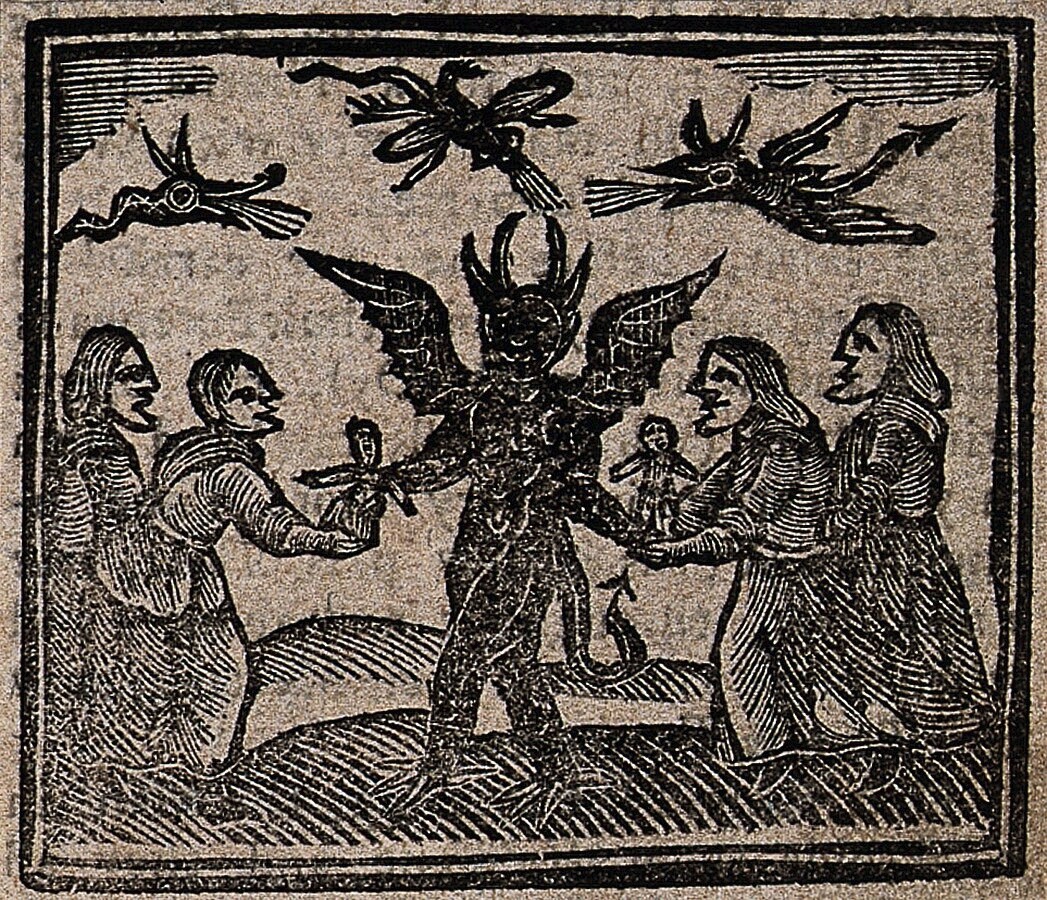
Disclaimer: contains depictions of human remains
Witch killings are something that has happened in multiple cultures and periods. Innocent people, traditionally women, were blamed for bad harvests, unfaithful spouses, and accidents at home and then ostracised or executed. In recent years, a new paradigm in history, archaeology and anthropology proposes that climate change and climatic shifts caused an uptick in witch persecutions. This article will examine the evidence and reach a decision.
What’s a witch?
A witch is often defined as “a person thought to have magic powers, especially evil ones.” However, there is more to witches than this. Belief in witches traces back to ancient Mesopotamia, with the Law Code of Hammurabi (18th century BCE) stating that someone accused of witchcraft must prove their innocence by jumping into a holy river; if they drowned, they were guilty. In classical Greece, Circe played a prominent role in the Odyssey, turning the eponymous character’s men into guinea pigs. In later medieval Europe, figures, such as Joan of Arc, were burned at the stake as witches (1431 CE), concerning their non-conforming religious views, and the Templar order was accused of witchcraft during their trials and burnt (1314 CE). However, these accusations stemmed from promoting political agendas rather than any genuine belief in the accused as witches. Early modern America and post-medieval Britain’s famous witch hunts include Salem (1692–93 CE) in America and Bury St. Edmunds (1599–1694 CE), Pendle (1612 CE), and North Berwick (1590 CE) in Britain. British trials were infamously led by Matthew Hopkins and encouraged by King James I and subsequent monarchs through the Witchcraft Acts in 1542, 1563, 1604, and 1735 CE. These resulted in around 500 innocent men and women being killed by hanging and burning.
A Global Perspective
Indigenous America
In indigenous North American populations, malevolent magic users were often accused and executed; however, the term “witch” was not used until European colonists imported it. On the other hand, in Latin America, beliefs surrounding witches were influenced by Spanish Catholic, indigenous and African beliefs and are known as Brujería, particularly referring to indigenous women.
Africa
In Africa, there are several traditions relating to witches, and these beliefs are still practised today. In the Central African Republic, hundreds of women are accused of being witches and killed, while in Kenya, accused witches have been burnt alive in their homes by mobs. In Ghana, there are ‘witch camps’, settlements where women (often widows) flee to when escaping witchcraft accusations. Conditions in these camps are often poor, and the Ghanaian government has been attempting to shut them down.
African beliefs around witchcraft or the use of magic predate European colonialism, and the idea of individuals with spiritual powers was not necessarily seen in a negative light compared to beliefs such as Voodoo. As with the Americas, the arrival of Europeans caused significant changes in attitudes with the Christianisation of the continent and the demonisation of indigenous spiritual beliefs and folk magic/medicinal practices. However, this summary should be taken with the caveat that Africa is a large and culturally diverse place, and it is impossible to summarise its practices in such a short piece.
Asia
In Asia, there are no specific beliefs relating to witchcraft in a European sense; however, in China, Gong Tau refers to negative magic, and Korean history includes instances of individuals being condemned for using spells. Shamanism is a practice which linguistically originated in Central Asian languages, possibly Evenki or Manchu, that has users interact with the spirit world through trances.
Oceania
In Papua New Guinea, it is estimated that 50–150 alleged witches are killed each year due to accusations of casting black magic and causing illness. Similar to Africa and the Americas, the accusation relates to European colonials bringing Christianity with them.
Witches and climate change
The Historical Evidence
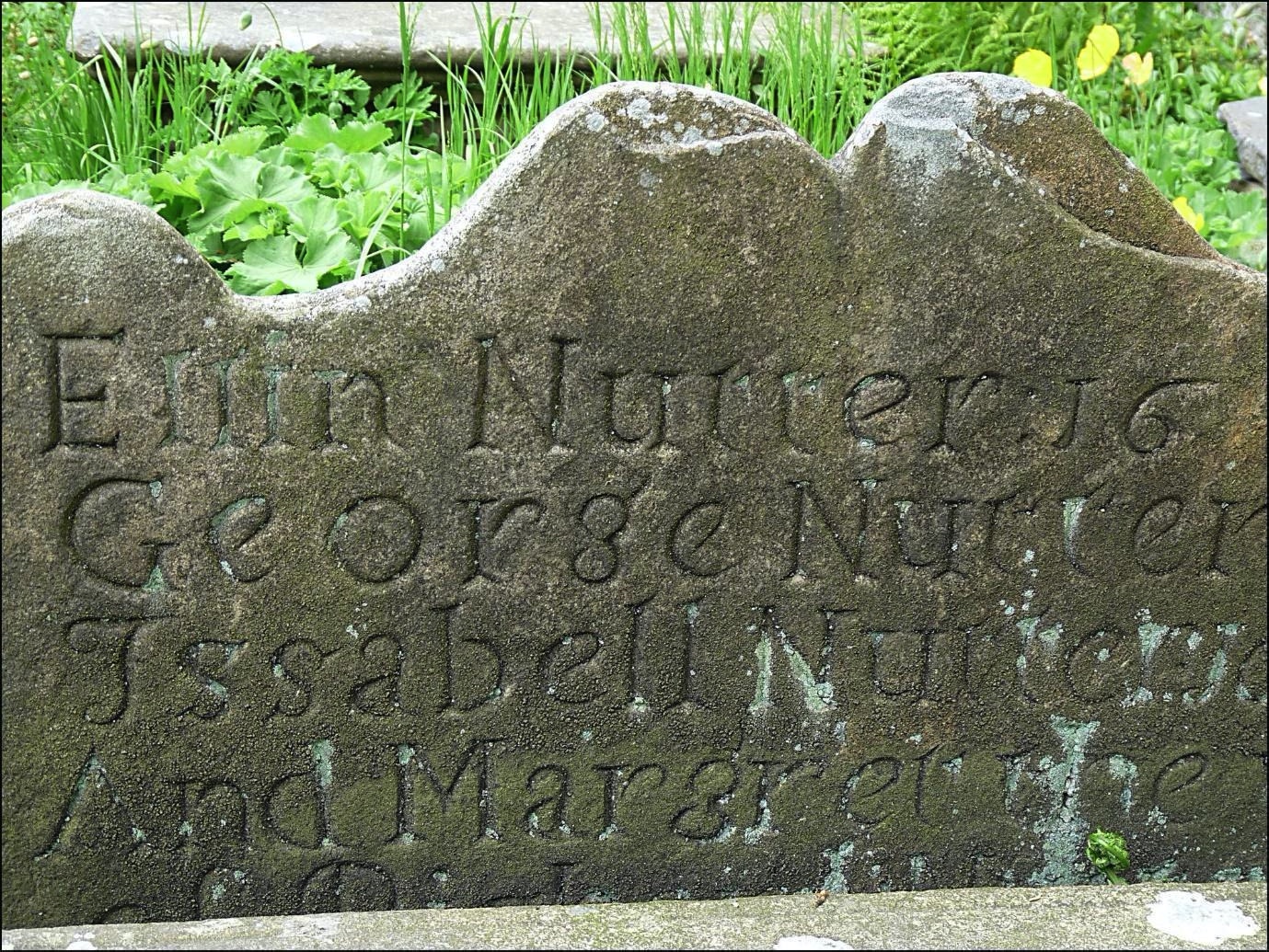
The relationship between witches and climate postulates that changes in temperature or climate caused extreme weather, such as the colds of the European Little Ice Age (1300–1850 CE). These shifts caused localised disasters, including epidemics, crop failure, and famine. Superstitious and religious attitudes led to the scapegoating of so-called witches, with contemporaries in Europe stating witches could conjure hailstorms. In 1538, in Norfolk, an old woman called Mother Gabley was blamed for the sinking of a Spanish ship off England’s west coast. This scapegoating is described by historians as being a consequence of the mental impact of climate change on populations, as well as a method for societies to actively combat (fruitlessly) an impossible situation. This theory and its proponents rely on a climate determinist view that pairs historical witch trials with paleoclimatic and historical temperature shifts.
The Archaeological Evidence
Archaeological evidence for witches is limited to items such as witch bottles, written charms, and horse skulls. These items serve as protective objects. The funerary record of witches shows no treatment of them outside of excommunication, and though excommunicated individuals could be buried outside church grounds or in ruined monasteries, we cannot conclude that someone is a witch based on this, as excommunication can occur for many reasons.
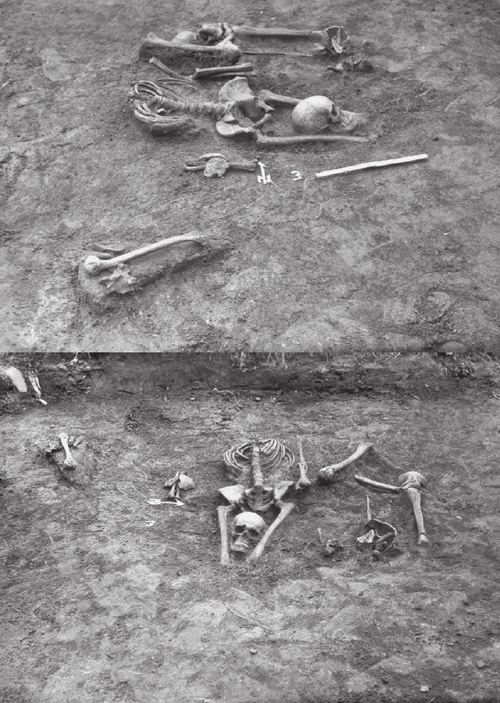
However, outside Europe, bioarchaeological studies have been done to uncover more from the human remains. The most prominent of these looked at violent deaths in the Colorado Plateau, finding a link between the deaths and droughts. Besides this, very little explicit work has been done on the execution of marginalised people in response to climatic stress.
We can look more broadly at modern studies in Tanzania that found that domestic violence towards women increased during droughts and poor harvests, with them being called ‘witches.’ In the archaeological record, intimate partner violence may be found in zygomatic fractures, with the caveat that it will be more visible in male-on-female violence than vice versa. However, no systematic studies have been done on climate and violence in the past, which makes it difficult to argue this point, especially when considering that violence in those cases may include resource-based conflict, as well as scapegoating. Examples of this include several execution ceremonies found in early medieval England related to punishment and post-conflict executions.
Another line of enquiry is to examine ritualised violence in the Americas, perpetrated by the Aztecs, Maya, Wari, and Inca, as evidenced through bioarchaeological, ethnographic research, and historical (both pre- and post-contact) sources gathered by archaeologists, anthropologists, and historians, but why did they do it?
- To appease the gods and maintain cosmic balance
- To demonstrate power and create a social hierarchy
From these two reasons, the first relates to climate: the Aztecs sacrificed to appease their god, Huitzilopochtli. A popular misconception related to this that arose during the COVID-19 pandemic and subsequent lockdowns was that the Aztecs and other South American cultures would sacrifice their enemies; however, isotopic analysis of known sacrifices found they originated elsewhere, most likely captives from raiding or war. Ultimately, the problem with this line of enquiry is that enemies from other societies and witches or marginalised peoples from within a society are not the same thing.
The final method is to look at burial records for a phenomenon known as ‘deviant’ or atypical burials. This involves burials that fall outside of that society’s norms and often carry a negative connotation. Infamous examples include the ‘vampire’ burials found in eastern Europe and headless burials in Roman cemeteries. Examples that could be linked to climate include an assemblage found in the deserted medieval village of Wharram Percy, Yorkshire, which had cut and burn marks that were hypothesised to signal cannibalism caused by a famine or anti-revenant measures.
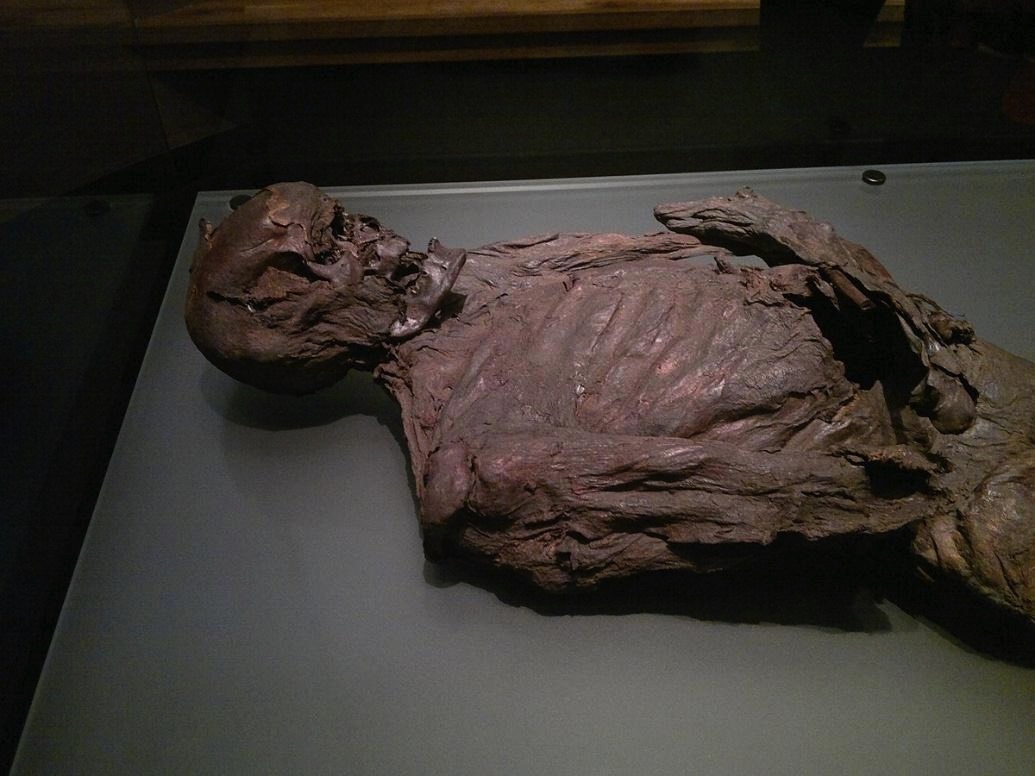
The bog bodies of the Iron Age and early medieval periods of northwestern Europe are believed to be the result of ritualistic human sacrifice, as bogs were treated as liminal spaces between our world and the spirit world. But were the people sacrificed the same as what we’d call witches? The answer is likely no; in Ireland, for example, it is believed they are dethroned kings. However, if we take the opposite approach, the burials were likely carried out by Druids, who, according to Roman writers, practised human sacrifice to appease nature and gods such as Cernunnos. Could Druids provide an opposite link? Witchlike figures of fear (to the Romans) who performed human sacrifice.
Overall, though, unusual burials, such as the vampire burials of Poland and other anti-revenant measures, while not witches, may represent an atmosphere of fear and paranoia caused by climate change-related disasters that led to sacrifice and anti-revenant practices, though ultimately this is not the same as witch persecution.
Can witch persecution be related to climate change? Discussion and conclusion
This article has taken an albeit brief look at the different strands of evidence on the relationship between witchcraft and climate, including historical and archaeological evidence. The historical evidence was convincing, while the archaeological evidence was lacking or theoretical at most. In cases where positive correlations were found, there was a risk of climate determinism, assigning climate as the primary cause when other causes, including paranoia, societal misogyny, and political instability, are also factors. However, this article has found a relation between deviant burials (that may or may not be witches) and climate shifts and the societal instability they cause, which is something that requires systematic investigation to ascertain truly.
Written by Leon Corneille-Cowell
Bibliography:
Adeyemi Johnson Ademowo, Foxcroft, G. and Temidayo David Oladipo (2010). Suffereth not a witch to live: discourse on child-witch hunting in Nigeria. Ibadan, Nigeria: Ayomide Publications.
Behringer, W. (1999). Climatic Change and Witch-hunting: the Impact of the Little Ice Age on Mentalities. Climate Change, 43.
Betsinger, T.K., Scott, A.B., Tsaliki, A. and Murphy, E.M. (2020). The odd, the unusual, and the Strange Bioarchaeological Explorations of Atypical Burials. Gainesville: University of Florida Press.
Brumafriend (2021). Did Climate Change Cause the Witch Hunts? [online] Medium. Available at: https://brumafriend.medium.com/did-climate-change-cause-the-witch-hunts-f119966b2f03 [Accessed 14 Nov. 2022].
Buikstra, J.E. (2007). The Bioarchaeology of Maya Sacrifice. Interdisciplinary Contributions to Archaeology/Interdisciplinary contributions to archaeology, pp.293–307. doi:https://doi.org/10.1007/978-0-387-48871-4_13.
Ceruti, M.C. (2015). Frozen Mummies from Andean Mountaintop Shrines: Bioarchaeology and Ethnohistory of Inca Human Sacrifice. BioMed Research International, 2015, pp.1–12. doi:https://doi.org/10.1155/2015/439428.
Cherryson, A., CrosslandZ. and Tarlow, S. (2012). A Fine and Private Place : the Archaeology of Death and Burial in post-medieval Britain and Ireland. Leicester: University of Leicester.
Cooney, G. (2023). Death in Irish Prehistory. Royal Irish Academy.
Forsyth, M. and Eves, R. (2015). Talking it Through: Responses to Sorcery and Witchcraft Beliefs and Practices in Melanesia. Anu Press.
Hamilton, M. (2018). How Climate Change Spurred Witch Hunts in Medieval Europe before the Age of Enlightenment. [online] History Collection. Available at: https://historycollection.com/how-climate-change-spurred-witch-hunts-in-medieval-europe-before-the-age-of-enlightenment/.
Healey, M.J. (2025). Bog Body. [online] Flickr. Available at: https://www.flickr.com/photos/markjhealey/6039638230/in/photostream/ [Accessed 16 Apr. 2025].
Hornbeam Arts (2025). Nutter Grave. [online] Flickr. Available at: https://www.flickr.com/photos/hornbeam/8968394224 [Accessed 16 Apr. 2025].
Klaus, Haagen D., Centurión, J. and Curo, M. (2010). Bioarchaeology of human sacrifice: violence, identity and the evolution of ritual killing at Cerro Cerrillos, Peru. Antiquity, 84(326), pp.1102–1122. doi:https://doi.org/10.1017/s0003598x00067119.
Kotowicz , P. (2011). Anti-vampire burial in the Zamkowa Street. [Photo] Wikimedia.
Loe, L., A Boyle, Webb, H. and Score, D. (2014). ‘Given to the ground’ : a Viking age mass grave on Ridgeway Hill, Weymouth. Dorchester: Dorset Natural History And Archaeological Society.
Martin , D.L. and Harrod, R.P. (2021). The climate change-witch execution connection: Living with environmental uncertainty on the Colorado Plateau (AD 800–1350) . In: The Routledge Handbook of the Bioarchaeology of Climate and Environmental Change. London: Routledge, pp.301–315.
Martin, D.L., Harrod, R.P. and Pérez, V.R. (2013). The Bioarchaeology of Violence. University of Florida Press.
Mays, S., Fryer, R., Pike, A.W.G., Cooper, M.J. and Marshall, P. (2017). A Multidisciplinary Study of a Burnt and Mutilated Assemblage of Human Remains from a Deserted Mediaeval Village in England. Journal of Archaeological Science: Reports, 16, pp.441–455. doi:https://doi.org/10.1016/j.jasrep.2017.02.023.
Miguel, E. (2005). Poverty and Witch Killing. The Review of Economic Studies, 72(4).
Murphy, E.M. (2008). Deviant Burial in the Archaeological Record. Oxford: Oxbow Books.
Pfister, C. (2006). Climatic Extremes, Recurrent Crises and Witch Hunts: Strategies of European Societies in Coping with Exogenous Shocks in the Late Sixteenth and Early Seventeenth Centuries. The Medieval History Journal, 10(1-2), pp.33–73. doi:https://doi.org/10.1177/097194580701000202.
Redfern, R.C. (2016). Injury and Trauma in Bioarchaeology. Cambridge University Press.
Reuters Fact Check (2021). Fact Check: ‘Aztecs’ Did Not Sacrifice Their Leaders to Counter Pandemics. Reuters. [online] 21 Apr. Available at: https://www.reuters.com/article/fact-check/aztecs-did-not-sacrifice-their-leaders-to-counter-pandemics-idUSL1N2ME2B0/.Welcome Collection (1720). witches giving babies to the devil. Woodcut. [online] Wellcome Collection. Available at: https://commons.wikimedia.org/wiki/File:Witchcraft;_witches_giving_babies_to_the_devil._Woodcut,_172_Wellcome_V0025812ETR.jpg.
